Jakarta: The Indonesian government, through the Ministry of Foreign Affairs, has spoken out regarding the fate of Indonesian tankers, particularly those belonging to Pertamina, which remain stuck in the Strait of Hormuz.
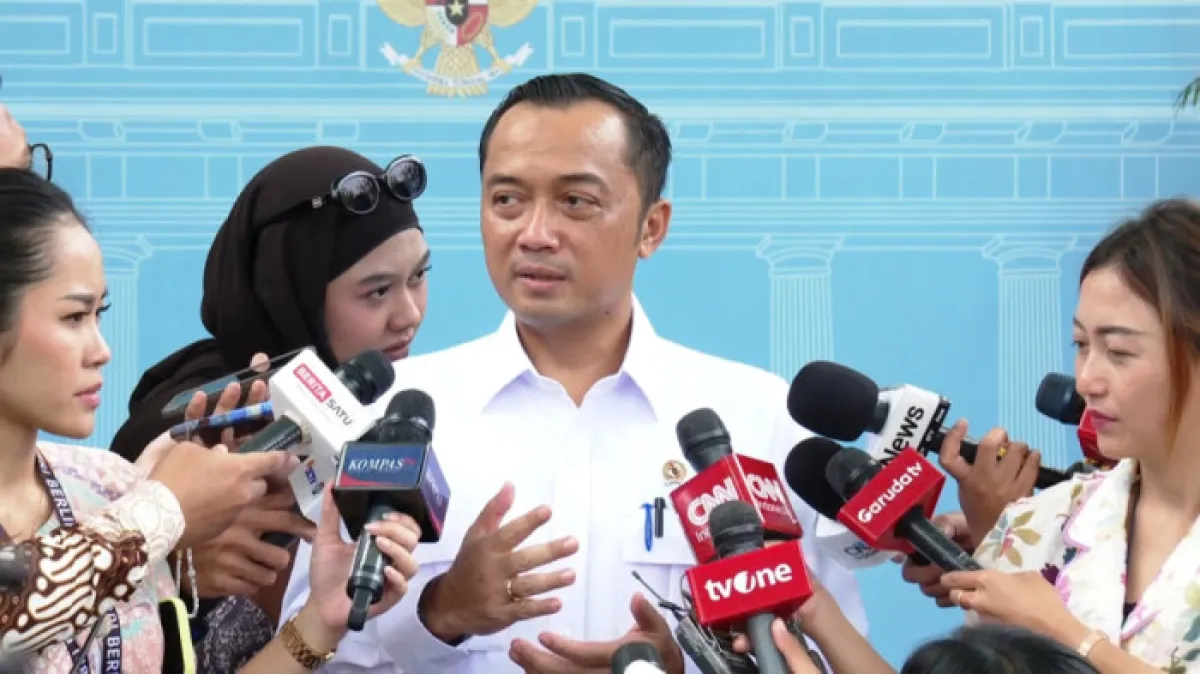
The Ministry of Foreign Affairs' Spokesperson, Vahd Nabyl A. Mulachela, emphasized that the government is not remaining silent and has prepared a number of mitigation measures. Intensive diplomacy continues to ensure the safety of Indonesian-flagged vessels that must pass through this vulnerable route.
"Regarding the Pertamina vessel transiting the Strait of Hormuz, the Ministry of Foreign Affairs has been coordinating with Pertamina and the Iranian Embassy in Jakarta from the beginning to ensure the safety of its assets and crew," Nabil said at a Ministry of Foreign Affairs Press Briefing in Jakarta on Wednesday, April 8, 2026.
Nabil added that the safety of the Indonesian citizen crew and state assets is the government's top priority. Currently, specific technical issues regarding crossing permits and security guarantees on the ground are being closely followed up by the relevant parties. Closely Monitoring the Strait of Hormuz Toll Tariff Discourse In addition to ensuring the safety of the fleet from the threat of physical conflict, the Indonesian Ministry of Foreign Affairs is also highlighting new challenges in the route.
The emergence of the discourse on imposing a toll fee for ships passing through the Strait of Hormuz by Iranian authorities is now on the government's radar.
Nabil stated that this policy is being closely monitored due to its domino effect, which is considered serious for the economy.
"Regarding the discourse on the Strait of Hormuz toll fee, this is certainly a serious concern, and we are monitoring the decision because it will impact global logistics," Nabil emphasized.
For the record, the Strait of Hormuz is one of the most crucial arteries for the global oil trade. This narrow waterway, connecting the Persian Gulf with the Gulf of Oman and the Arabian Sea, is a primary route for approximately one-fifth of the total global crude oil supply.
Indonesian Tanker Stalled in Hormuz, Ministry Guarantees Security